
Brand Consistency Examples That Will Make You Rethink Your Marketing Strategy
A consistent and strategic brand identity across all platforms is not just beneficial; it’s essential. By exploring real-world brand consistency examples, we uncover the immense power of maintaining a coherent identity, be it through visuals, messaging, tone, or customer experience. Let’s explore how top brands achieve cohesion and why it’s crucial for building trust, recognition, and loyalty among consumers. Through these examples, we hope to provide valuable insights that can further refine and level up your marketing strategy.
Google: A Paragon of Cohesion in the Tech World
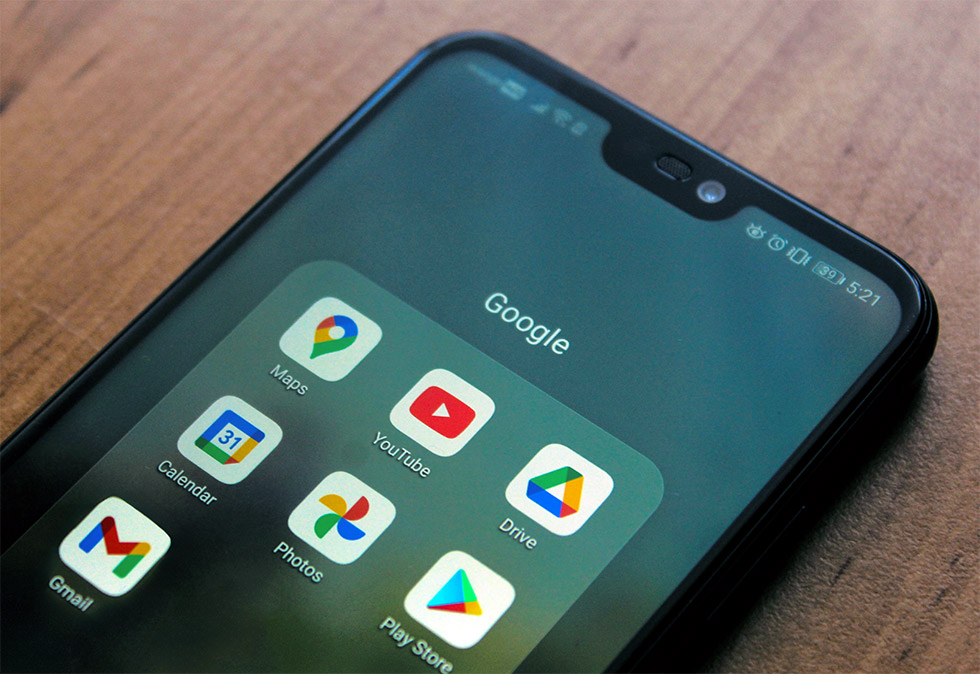
When discussing examples of brand consistency, it’s impossible not to mention Google. Since its humble beginnings in 1998, Google has vastly expanded into various territories, including Gmail, Google Maps, and Google Drive. Despite this diversification, the tech giant has maintained a uniform design and visual identity across all user experience facets. This cohesiveness has cemented Google as a tech industry leader.
More than just aesthetic consistency, Google emphasizes its mission “to organize the world’s information and make it universally accessible and useful” across all communications and product developments. This dedication not only strengthens its position as a trusted and reliable brand but also showcases the impact of aligning products with core company values.

Kylie Cosmetics: Influencing Brand Loyalty
On the social media front, Kylie Cosmetics by Kylie Jenner illustrates another form of brand consistency. With 24.6 million followers on Instagram, the brand capitalizes on a tight-knit community of users. Kylie Cosmetics understands its audience—Millennials and Gen Z—by employing influencer collaborations and Instagram stories with product links for direct purchases.
The strategy extends to showcasing behind-the-scenes content and utilizing Instagram Reels for beauty education, which Kylie Jenner taught herself. This blend of influencer marketing, direct customer engagement, and educational content helps Kylie Cosmetics not only sell products but also build trust, foster brand loyalty, and humanize its identity.

Starbucks: Consistency in Every Cup
Starbucks stands out as a prime example of offline brand consistency. With a presence on nearly every corner around the globe, the coffee giant has successfully maintained a uniform brand image. This consistency is evident from its iconic siren logo and green and white color scheme to the customer experience in stores. Such continuity ensures that customers know what to expect with every interaction, contributing to a strong, loyal customer base and ongoing business success.

Squarespace: Talking About the User, Not the Product
Squarespace offers a unique take on brand consistency by focusing on user experiences rather than the product itself. Its website and social media platforms, such as TikTok and Instagram, showcase a consistent visual style that highlights what users can achieve with a Squarespace-built website. This approach not only highlights the product’s potential but also inspires users to imagine the possibilities, thereby enhancing brand identity through user aspirations.
Why These Brand Consistency Examples Matter
These brand consistency examples shine a light on the importance of maintaining a unified brand across all touchpoints. This cohesiveness is key to building trust, recognition, and loyalty among your audience. By analyzing these successful strategies, you can gather insights into enhancing your marketing efforts. Whether it’s through visual identity, messaging, customer experience, or influencer collaborations, the essence of your brand should be clear and consistent.
Savy recognizes the role that brand consistency plays in narrating your brand’s story. Our suite of services is designed to ensure that your brand remains consistent across all platforms and resonates deeply with your desired audience. Embrace the power of consistency with Savy, and watch as your brand transforms into an emblem of trust and loyalty in the hearts of your audience.
Recent Posts

Why Boutique Marketing Agencies Are Winning the AI Era
The conventional wisdom used to be simple: bigger agency, bigger team, better results. More people meant more capacity. More capacity meant more deliverables. More deliverables meant better performance. For a […]

2027 Digital Marketing Trends: What AI, AEO, and GEO Mean for Your Brand
The budgets aren’t changing much. The work inside them is changing completely. If your 2027 marketing plan looks like your 2025 plan with updated dates, you’re building on a foundation […]

Marketing Budget Allocation for 2027: The Budget Holds, the Work Moves
Retainers hold, value goes up, and deliverables pivot. Production takes a fraction of the time it did, so the money inside a 2027 marketing budget moves to the two things […]

Medical Practice Marketing When the Platforms Won’t Let You Say the Thing
Two constraints shape medical practice marketing. Google and Meta restrict what you can say: a condition, a prescription, a treatment outcome. HIPAA restricts what you can know about who you […]

SaaS Marketing Strategy: What Actually Drives Pipeline in 2026
SaaS is one of the most crowded categories in tech. Dozens of companies often solve the same problem with comparable feature sets and comparable pricing tiers. Buyers have endless options […]